
Sports Rehabilitation Therapist Dagenham | Expert Care
Find a trusted sports rehabilitation therapist Dagenham for injury recovery, personalized treatment plans, and faster return to sport with expert care.
5/14/2026
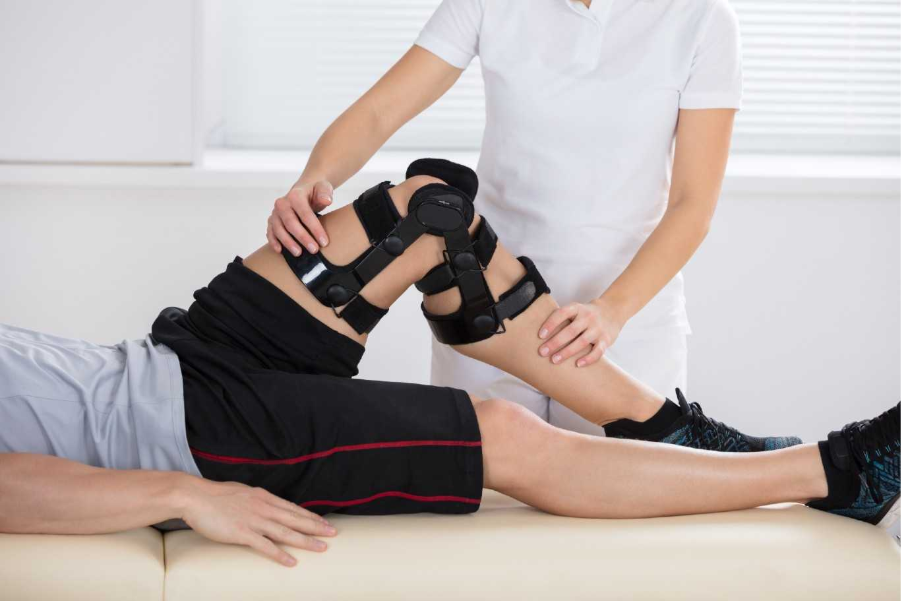
Recovering from an injury can feel overwhelming, especially when you’re unsure about the next steps. Whether you’re an athlete or someone who enjoys staying active, the right professional guidance can significantly speed up your recovery. If you’re considering sports injury rehabilitation in Dagenham, understanding what to expect from a therapist will help you feel more confident and prepared.
Trusted clinics like Vivek’s Physiotherapy focus on personalized, evidence-based care designed to restore mobility, reduce pain, and prevent future injuries. Their approach emphasizes tailored recovery plans, patient education, and long-term wellness strategies, ensuring a complete and sustainable recovery journey.
Understanding the Role of a Sports Rehabilitation Therapist
What Does a Sports Rehabilitation Therapist Do?
A sports rehabilitation therapist specializes in assessing, diagnosing, and treating musculoskeletal injuries related to physical activity. Their primary goal is not just to relieve pain but to restore function, mobility, and performance. They work closely with patients to develop individualized treatment plans that align with recovery goals, whether that’s returning to professional sport or simply resuming daily activities.
These therapists combine clinical knowledge with practical training techniques. They guide patients through progressive rehabilitation stages, ensuring that healing occurs safely and effectively. From hands-on treatment to exercise prescription, they play a vital role in long-term recovery.
How They Differ from Physiotherapists and Personal Trainers
While there is some overlap, sports rehabilitation therapists have a distinct focus. Physiotherapists often deal with a broader range of medical conditions, whereas sports rehabilitation professionals concentrate specifically on sports-related injuries and performance recovery. Personal trainers, on the other hand, focus primarily on fitness and conditioning rather than injury management.
A sports rehabilitation therapist bridges the gap between clinical treatment and athletic performance. They understand biomechanics, injury prevention, and sport-specific demands, making them uniquely equipped to guide recovery in an active population.
Why Choosing a Local Sports Rehabilitation Therapist in Dagenham Matters
Working with a local therapist offers convenience and continuity of care. When you choose a sports rehabilitation therapist in Dagenham, you benefit from easy access to regular sessions and personalized attention tailored to your lifestyle and activity level.
Local clinics also understand community-specific needs, including popular sports and common injury patterns. This familiarity allows therapists to design more relevant rehabilitation programs, helping you return to your activities safely and efficiently.
Common Sports Injuries That Require Rehabilitation
Acute Injuries (Sprains, Strains, Dislocations)
Acute injuries occur suddenly, often during physical activity or accidents. Sprains, strains, and dislocations are among the most common examples. These injuries can cause immediate pain, swelling, and limited mobility, requiring prompt assessment and treatment.
Rehabilitation focuses on reducing inflammation, restoring movement, and rebuilding strength. Early intervention is crucial to prevent complications and ensure a smoother recovery process.
Chronic Conditions (Tendonitis, Stress Injuries)
Chronic injuries develop over time due to repetitive stress or improper technique. Conditions like tendonitis or stress fractures may start as mild discomfort but can worsen without proper management. These injuries often require a more gradual and consistent rehabilitation approach.
Therapists address underlying causes such as poor biomechanics or muscle imbalances. By correcting these issues, they not only treat the injury but also reduce the risk of recurrence.
Post-Surgical Rehabilitation Needs
After surgery, structured rehabilitation is essential for regaining function and strength. Whether it’s ligament reconstruction or joint repair, a guided program ensures proper healing and prevents complications.
In sports injury rehabilitation Dagenham, post-surgical care often includes progressive exercises, mobility work, and functional training. Therapists closely monitor recovery to help patients safely return to their previous activity levels.
Your First Appointment: What to Expect
Initial Consultation and Medical History Review
Your first session typically begins with a detailed consultation. The therapist will ask about your injury, medical history, lifestyle, and activity level. This information helps them understand the root cause of your issue and identify any contributing factors.
At clinics like Vivek’s Physiotherapy, this stage is handled with care and precision, ensuring that no important detail is overlooked. A thorough consultation sets the foundation for an effective rehabilitation plan.
Physical Assessment and Movement Screening
Following the consultation, the therapist conducts a physical assessment. This includes evaluating your range of motion, strength, posture, and movement patterns. These tests help identify limitations and imbalances that may be affecting your recovery.
Movement screening is especially important for athletes, as it reveals inefficiencies that could lead to further injury. The insights gained here guide the next steps in your treatment plan.
Injury Diagnosis and Goal Setting
Based on the assessment, the therapist provides a clear diagnosis and discusses realistic recovery goals. These goals may include pain reduction, improved mobility, or returning to a specific sport.
Setting measurable objectives helps track progress and keeps you motivated throughout the rehabilitation journey.
Creating a Personalized Rehabilitation Plan
Every patient receives a tailored program designed to address their specific needs. This plan outlines exercises, treatment methods, and timelines for recovery under the guidance of a sports rehabilitation therapist Dagenham.
Individualized exercise routines based on your injury
Short-term and long-term recovery goals
Scheduled therapy sessions and progress reviews
Home exercise guidance for faster improvement
Lifestyle and activity modifications
This structured approach ensures that your recovery remains focused and effective.
The Rehabilitation Process Explained Step-by-Step
Phase 1 – Pain Management and Inflammation Control
The initial phase focuses on reducing pain and swelling. Techniques such as ice therapy, compression, and gentle movements are commonly used. This stage is crucial for creating a stable foundation for further rehabilitation.
Therapists may also use manual therapy to alleviate discomfort and improve circulation. The goal is to help you feel more comfortable while protecting the injured area.
Phase 2 – Restoring Mobility and Flexibility
Once pain is under control, the focus shifts to restoring movement. Stretching exercises and mobility drills are introduced gradually to improve flexibility and joint function.
This phase is essential for preventing stiffness and ensuring that your body regains its natural range of motion.
Phase 3 – Strength and Conditioning
Strengthening exercises are added to rebuild muscle support around the injured area. This helps improve stability and prepares your body for more demanding activities.
In Dagenham sports rehabilitation, this stage often includes resistance training and functional exercises tailored to your specific needs.
Phase 4 – Sport-Specific Training and Return to Play
The final phase prepares you to return to your sport or activity. Exercises mimic real-life movements to ensure your body can handle the demands safely.
Therapists focus on coordination, agility, and endurance, ensuring a smooth transition back to full performance.
Techniques and Treatments You May Receive
Manual Therapy and Soft Tissue Techniques
Manual therapy involves hands-on techniques to relieve pain and improve mobility. These methods target muscles, joints, and connective tissues, helping to restore normal function.
Soft tissue techniques such as massage and myofascial release are commonly used to reduce tension and promote healing.
Exercise Rehabilitation Programs
Exercise is a cornerstone of recovery. Therapists design structured programs that progress over time, ensuring safe and effective rehabilitation.
These programs are tailored to your injury, fitness level, and goals, making them highly personalized.
Electrotherapy and Advanced Modalities
Advanced treatments like ultrasound or electrical stimulation may be used to enhance healing. These modalities can reduce pain, improve circulation, and accelerate tissue repair.
Taping, Bracing, and Injury Support Methods
Supportive techniques help stabilize the injured area and prevent further damage during recovery.
Kinesiology taping for muscle support
Bracing for joint stability
Compression techniques to reduce swelling
Protective supports during physical activity
Guidance on proper usage and duration
These methods complement your rehabilitation program, especially in private sports injury rehabilitation Dagenham settings.
How Progress Is Monitored Throughout Recovery
Regular Reassessments and Adjustments
Recovery is not a linear process, which is why regular reassessments are essential. Therapists evaluate your progress and adjust your treatment plan accordingly.
This ensures that your rehabilitation remains aligned with your evolving needs and goals.
Performance Tracking and Goal Evaluation
Tracking performance metrics helps measure improvement. Strength, flexibility, and functional ability are assessed periodically to gauge progress.
Clear benchmarks provide motivation and help identify areas that need further attention.
Preventing Re-Injury Through Data-Driven Care
Modern rehabilitation often uses data to guide decision-making. By analyzing movement patterns and performance metrics, therapists can identify potential risks.
This proactive approach reduces the likelihood of re-injury and supports long-term health.
The Importance of Athlete Education in Recovery
Understanding Your Injury and Healing Timeline
Education is a key part of recovery. Understanding your injury helps you make informed decisions and stay committed to your rehabilitation plan.
Therapists explain the healing process, expected timelines, and factors that influence recovery.
Learning Proper Movement and Technique
Incorrect movement patterns can lead to injury. Rehabilitation includes training on proper techniques to ensure safe and efficient movement.
Injury Prevention Strategies for the Future
Preventing future injuries is just as important as treating the current one.
Warm-up and cool-down routines
Strength and conditioning exercises
Proper footwear and equipment
Correct posture and technique
Recognizing early warning signs
These strategies empower you to stay active and injury-free.
Benefits of Choosing Private Sports Injury Rehabilitation in Dagenham
Faster Access to Treatment
Private services offer quicker appointments, allowing you to start treatment without long waiting times. Early intervention often leads to better outcomes. For those considering private care, you can explore the transparent pricing for physiotherapy services to better plan your recovery journey and choose a treatment package that suits your needs.
Personalized One-to-One Care
One-on-one sessions ensure that your therapist focuses entirely on your needs. This level of attention enhances the quality of care.
Tailored Programs for Athletes of All Levels
Whether you’re a beginner or a professional athlete, private sports injury rehabilitation Dagenham provides customized programs.
Individual assessment and goal setting
Flexible scheduling options
Access to advanced equipment
Continuous progress monitoring
Focus on performance and recovery
This personalized approach helps maximize results.
How Long Does Sports Rehabilitation Take?
Factors That Influence Recovery Time
Recovery time varies depending on the severity of the injury, your overall health, and your commitment to the rehabilitation plan. Acute injuries may heal faster, while chronic conditions often require longer treatment.
Consistency and adherence to your program play a significant role in determining how quickly you recover.
Typical Timelines for Common Injuries
Minor sprains may take a few weeks, while more severe injuries like ligament tears can take several months. Post-surgical recovery often requires extended rehabilitation.
Your therapist will provide a realistic timeline based on your specific condition.
Importance of Consistency and Compliance
Following your rehabilitation plan consistently is crucial for success. Skipping sessions or neglecting exercises can delay recovery and increase the risk of re-injury.
Signs You’re Ready to Return to Sport
Physical Readiness Indicators
Your body must demonstrate adequate strength, flexibility, and stability before returning to activity. Pain-free movement is a key indicator of readiness.
Mental Confidence and Injury Fear Management
Mental readiness is equally important. Fear of re-injury can affect performance and increase the risk of setbacks.
Clearance from Your Sports Rehabilitation Therapist
Final clearance from your therapist ensures that you are fully prepared to resume activity safely.
Choosing the Right Sports Rehabilitation Therapist in Dagenham
Qualifications and Experience to Look For
Look for therapists with relevant certifications and experience in sports rehabilitation. Their expertise should align with your specific needs. If you want to understand the clinic’s philosophy and experience, you can learn more about their expertise and approach to see how they deliver personalized rehabilitation care.
Clinic Facilities and Treatment Approach
Modern facilities and evidence-based approaches are essential for effective treatment. Clinics that invest in advanced equipment and training provide better outcomes.
Reviews, Testimonials, and Local Reputation
Clinics like Vivek’s Physiotherapy are known for personalized care, advanced techniques, and strong patient outcomes, making them a trusted choice in Dagenham.
Why Trust Professional Sports Rehabilitation Services
Evidence-Based Treatment Approaches
Professional therapists use scientifically proven methods to ensure effective recovery. This approach minimizes risks and maximizes results.
Focus on Long-Term Athletic Performance
Rehabilitation is not just about healing it’s about improving performance and preventing future injuries.
Reducing Risk of Recurring Injuries
By addressing underlying issues, therapists help reduce the likelihood of recurring problems.
When you’re ready to begin your recovery, you can book your physiotherapy consultation and take the first step toward restoring your strength and mobility.
Final Thoughts: Supporting Your Recovery Journey
Recovering from an injury requires the right combination of expertise, commitment, and guidance, and choosing sports injury rehabilitation Dagenham ensures you receive structured, personalized care that supports long-term recovery. With providers like Vivek’s Physiotherapy, you benefit from tailored treatment plans, continuous progress tracking, and expert support throughout your journey, all delivered through a patient-first approach that not only helps you heal effectively but also enhances your strength, confidence, and overall physical performance.
FAQs
1. What is the difference between sports rehabilitation and physiotherapy?
Sports rehabilitation focuses specifically on sports-related injuries and performance recovery, while physiotherapy covers a broader range of medical conditions.
2. How often should I see a sports rehabilitation therapist?
Frequency depends on your injury, but most patients attend 1–3 sessions per week during active recovery.
3. Is sports rehabilitation painful?
Some discomfort may occur during exercises, but therapists ensure treatments remain safe and manageable.
4. Can I continue exercising during rehabilitation?
Yes, but only with guidance from your therapist to avoid worsening the injury.
5. Do I need a referral to see a therapist?
In most cases, no referral is needed for private sports injury rehabilitation.
6. How do I know if I need sports rehabilitation?
If you experience persistent pain, limited mobility, or difficulty performing activities, consulting a therapist is recommended.
Personalized physiotherapy for all ages and needs.
Contact us
© 2026. All rights reserved.